
The idea of the dignity of work is the fundamental belief that all forms of labor—regardless of pay, prestige, or physical intensity—possess an inherent value. Work not only provides us with the means to live and thrive, but is a vital part of the human experience that fosters self-respect and social connection. The true dignity of work is in the sense of purpose it provides all of us, and to all human beings around the planet. Depictions of work are the subject of art in all imaginable media: ancient friezes, paintings, contemporary photographs, poetry, music, television and oratory come to mind.
According to Pete Seeger, the folksinger Malvina Reynolds wrote a song every morning before breakfast. One of her more famous songs was about the houses on the hills around San Francisco: “Little boxes on the hillside, little boxes made of ticky tacky, little boxes all the same…. And there’s doctors and lawyers and business executives, and they’re all made out of ticky-tacky and they all look just the same.” Society holds such professions in esteem, but the dignity of work extends universally, and Malvina would have been among the first to say so.
We rely on others all the time, whether it’s a doorman or garbage collectors, store clerks in the stores where we shop or the delivery people who bring us our pizzas. As travelers we rely directly on the help and attention of porters, taxi drivers, airplane pilots, waiters, chamber maids, guides and docents. Unseen but essential are the mapmakers and the authors of our guidebooks. The street sweepers, plumbers, electricians, bricklayers, carpenters and steel workers who built and maintain the roads, cities, sites, hotels and homes we live in and visit, are the facilitators of our day-to-day survival. In the 1950s Tennessee Ernie Ford sang “Sixteen Tons,” about the hard-working coal miners and their financial struggles.
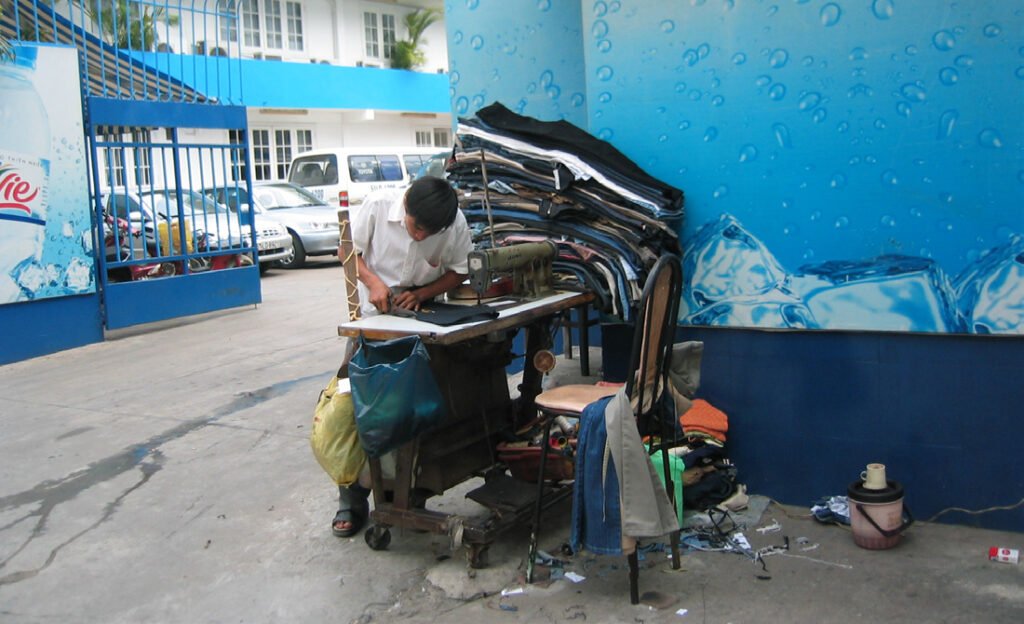
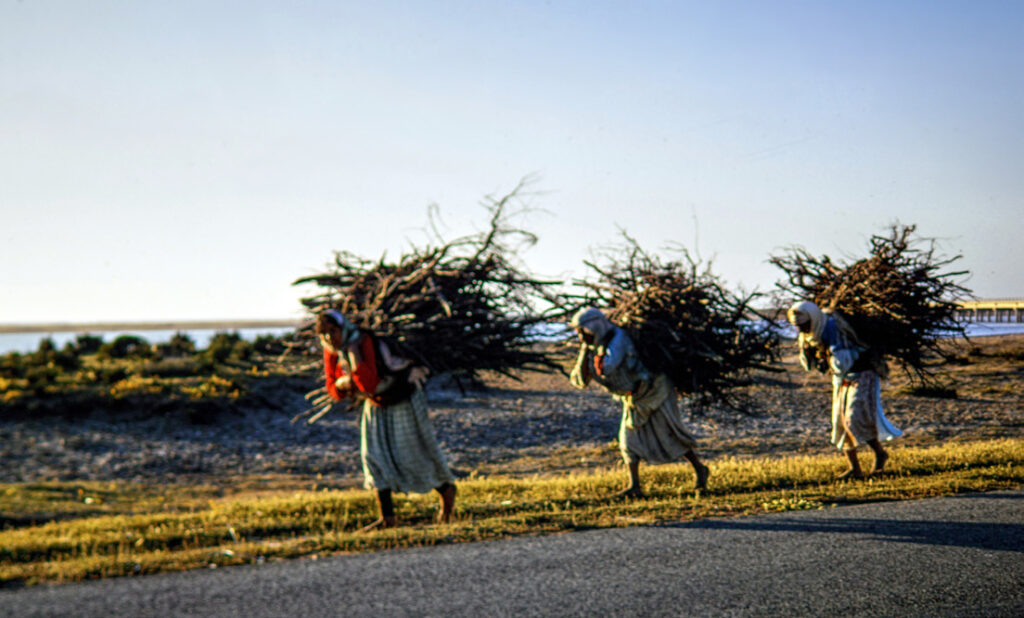
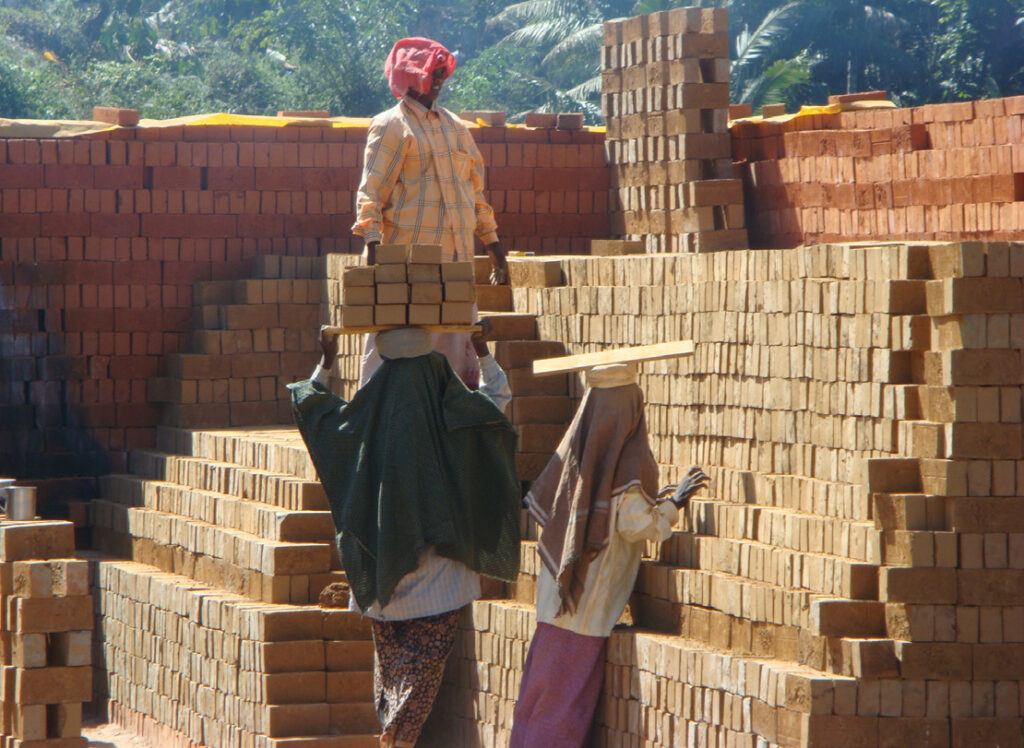
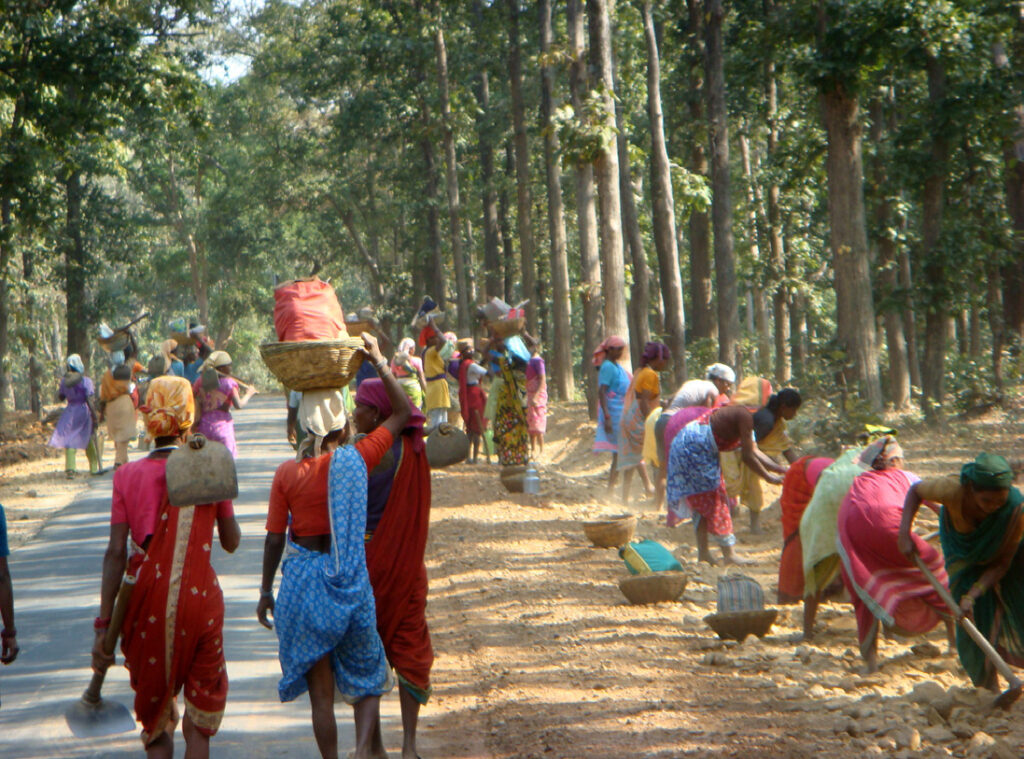
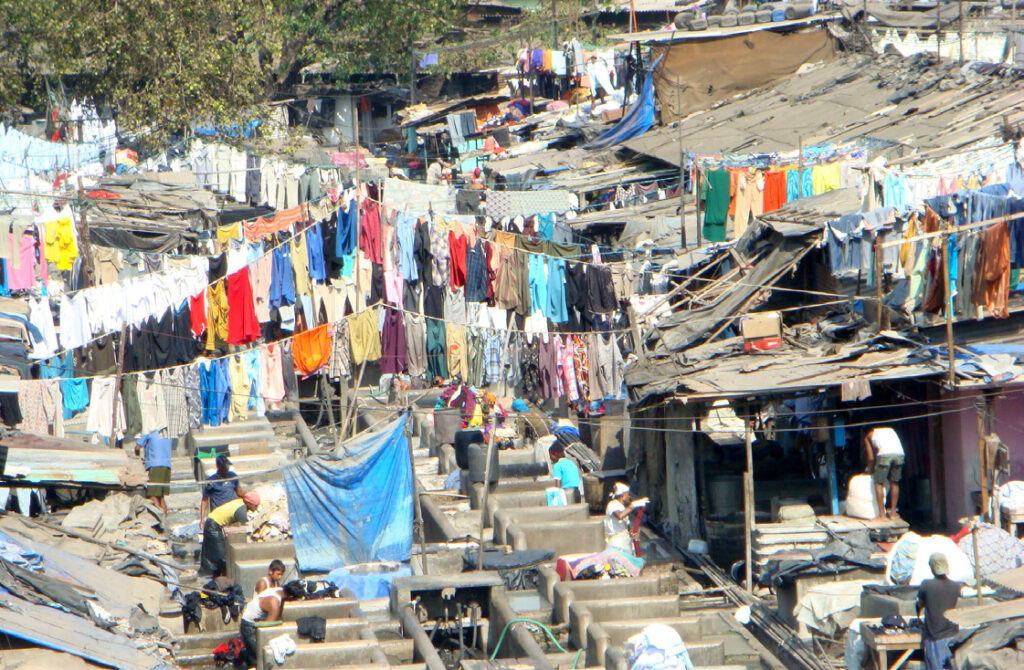
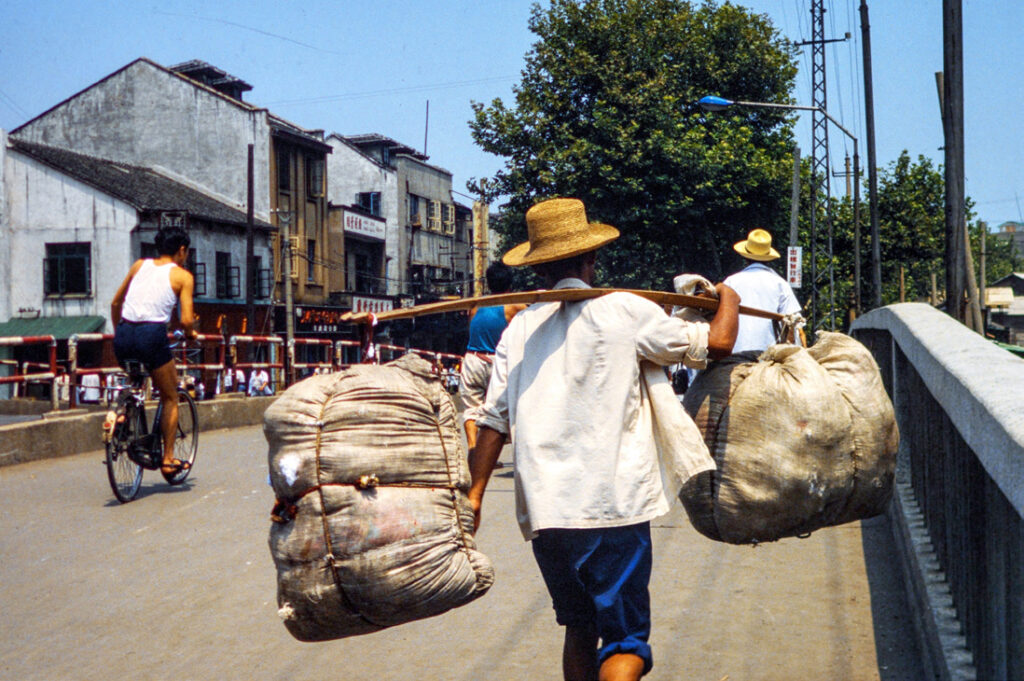
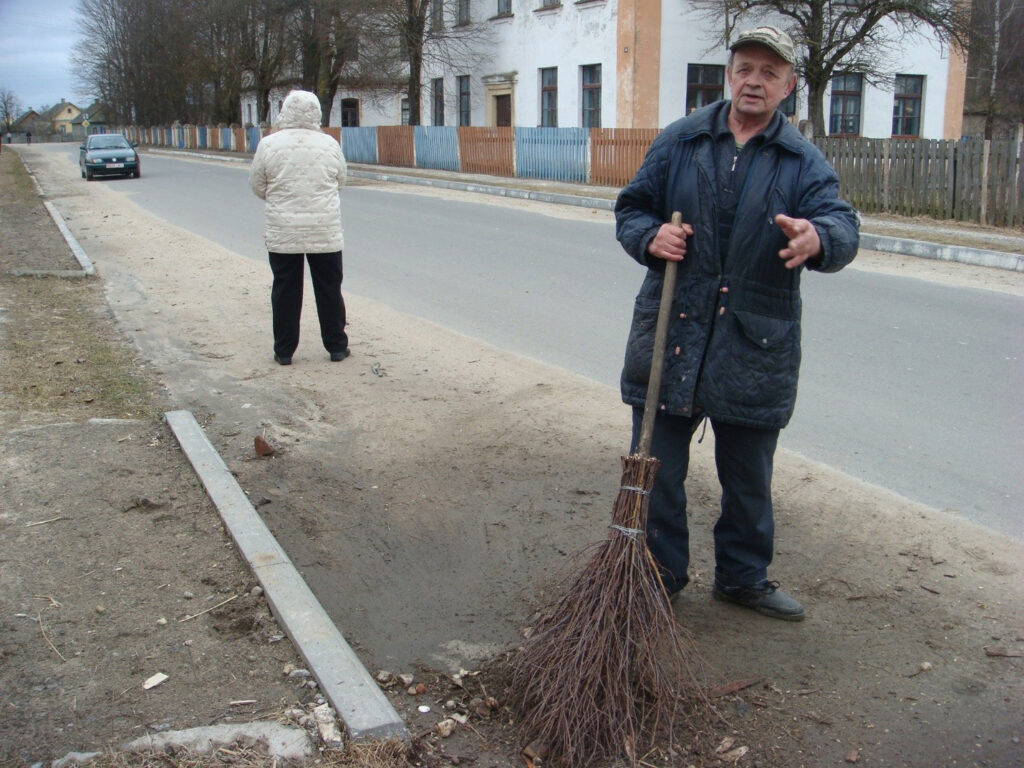
Over six decades of travel I have photographed laborers applying their skills to a wide variety of tasks.
The true dignity of work is in the sense
of purpose it provides all of us.
I am often amazed by their tenacity as they toil in heat, sometimes with babies on their backs. Gender lines are drawn differently for work in different cultures. In the west we don’t see women digging up roads by hand, but elsewhere in the world it’s done. Tanneries in Morocco pay almost nothing to young boys who risk their lives dyeing pieces of leather. In Istanbul, Hanoi or near Brest-Litovsk in Belarus, I noticed the colorful clothing and landscape of work settings, and how hard the work is.
Dr. Martin Luther King Jr. said, “All labor that uplifts humanity has dignity and importance and should be undertaken with painstaking excellence.” And to quote Art Carney from his days on “The Honeymooners”:
I work in the sewer, it’s a very hard job
You know they don’t hire just any old slob.
You don’t have to wear a tie or a coat
You just have to know how to float.
We sing the song of the sewer,
Of the sewer we sing this song.
Together we stand
With shovel in hand
To keep things rolling along.
My father he worked in a sewer uptown.
I followed his footsteps and worked my way down.
That’s how I began in this here industry
I just sort of fell into it… sheesh, lucky me.
Ralph Kramden thought moving people in his bus was more valued than Ed Norton’s work down below, but Norton knew the importance of keeping the sewage moving. And how lucky we are that he did.
Photos by Norman A. Ross.


Leave a Comment