
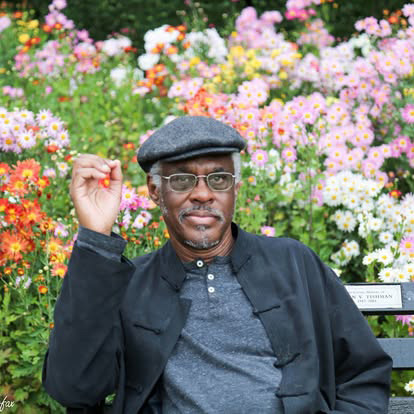
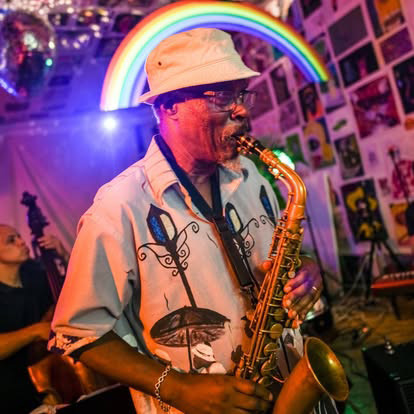
Richard Fairfax has followed the path of noted jazz musicians, Charles Mingus, Duke Ellington, Benny Golson, Ornette Coleman and many others who, besides playing, composed their own music. His musical career, beginning at an early age and continuing until now, has benefitted from his primary influence, his father, and his mentor, the legendary musician, Ken McIntyre and his longtime friend, trombonist and composer, Craig Harris. His time working for the American Society of Composers, Authors and Publishers (ASCAP) has afforded him the opportunity to understand the intricacies of the music business. Many musicians in the past have been cheated out of their royalties and other financial benefits due to their lack of knowing their publishing rights. Richard’s experience with ASCAP and starting his own publishing company will preserve and protect his music. These are edited excerpts of our conversation at his home in Harlem.
Roger: You’ve been doing this a long time.
Richard: (laughs) Doing what a long time? What have I been doing?
Roger: (laughs) Your music a long time.
Richard: Yeah, growing up with music all around me. I was exposed to a lot of variety of music. I’m going on 77 years old now. I’m a baby boomer. Yes, I grew up in a household where my dad liked jazz, had a lot of records. (laughs). He was my first music appreciation teacher as far as listening to the music on the radio and TV, pop music mostly.
Roger: What was the first instrument you started playing?
Richard: Fourth grade, I was able to learn an instrument. I started playing the saxophone, alto saxophone.
Roger: What was it about the alto that attracted you?
Richard: (laughs) Well it was smaller, easier for me to carry. My father was a big fan of a lot of saxophone players, particularly tenor saxophone players. Coleman Hawkins, Don Byas.
Roger: What attracted you to playing jazz as opposed to classical or gospel music?
Richard: I was able to play so freely but throughout school our band played arrangements of classical and pop music.
Roger: There’s been a long running debate about whether what we know as jazz should be called jazz. What are your thoughts about that?
Richard: I’ve been thinking a lot about that terminology, jazz. To me, it seems to be more than just the musical style (laughs). I need to write a book about this. My thought is that jazz seems to be a continuation of an American form of music where the dominant section of American society, so-called white people, have had an interest in black music, black culture. There’s all kinds of legends about how it began, you know the brothels in New Orleans. I wish people were a little more open minded and appreciate the music without categorizing it and putting a label on it.
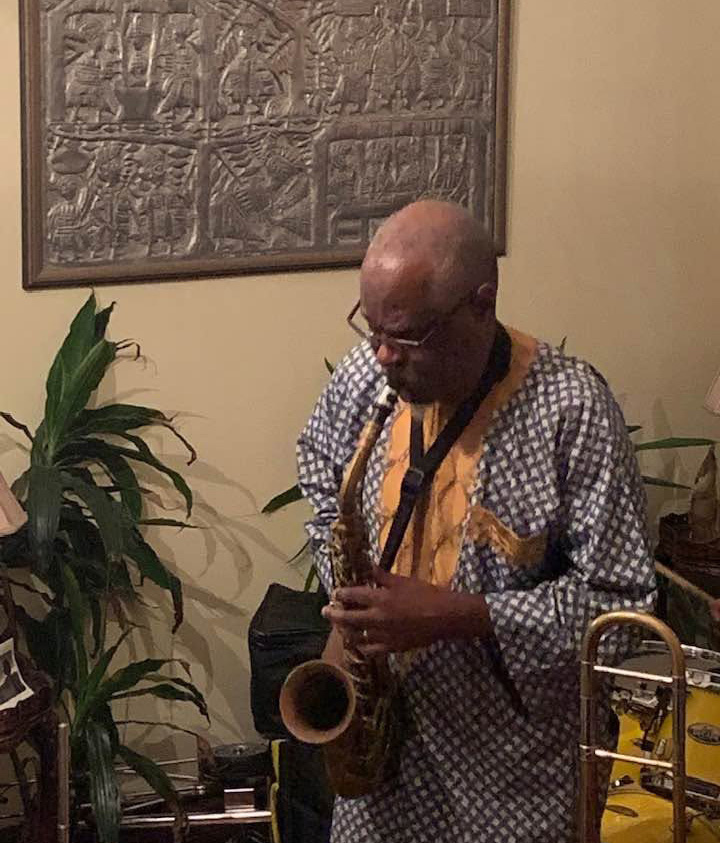
Roger: Ken McIntyre, the legendary alto saxophonist and educator, had a profound effect on your career. Can you talk about your relationship with him?
Richard: In the early 1970’s I was struggling in what direction to go in. I wanted to develop my technique as a jazz musician. I met the saxophonist Charles McPherson, and asked him if he could give me lessons. He said he was very busy. Go over and speak to Ken McIntyre. He started telling me about the music program at SUNY Old Westbury. It had a big effect on me. It really changed my whole thought about what I was trying to do in terms of music. I didn’t have any idea of embouchure, projecting sound. He started working with me to develop my own individual way of playing.
Roger: Who are some of the other musicians who have influenced you?
Richard: Ornette Coleman, Cecil Taylor, Charles Mingus, Sun Ra, Miles Davis.
Roger: When did you begin composing?
Richard: I guess it was probably my third year of studying with Ken McIntyre. That was part of the program. It wasn’t just a music program. It incorporated music, dance and visual arts. Right now I’ve been focusing more on composing than playing an instrument.
Roger: You also worked for the American Society of Composers, Authors and Publishers (ASCAP) for many years. How did that experience shape your view of the music business?
Richard: Worked with them for 40 years (laughs). I was very fortunate. Working there exposed me to a lot of music.
Roger: Why did you start your own publishing company?
Richard: To claim the rights to my music. I started it when I left ASCAP 13 years ago.
Roger: Your wife, Deborah, is a photographer. What kind of projects have you collaborated on together?
Richard: Not that much. I have used some of her photographs in my music videos but we haven’t done enough of that. We’ll put something together.
Roger: In what group context do you prefer playing?
Richard: I’m not particularly interested in being part of a big band. At this point I have a lot of music written that I have been practicing to perform with a small group of people. I’m kind of a minimalist. I’m interested in trying to play the music with the least amount of instruments as possible.
Roger: What’s coming up for Richard Fairfax?
Richard: (laughs) Not sure. G&S
fairfaxmusic.org
All photos by Deborah Fairfax




Leave a Comment