
A photograph isn’t finished when the shutter clicks. Long after its subject has moved on, years after its maker has forgotten the precise reason it was taken, the image continues to gather meaning. What begins as a simple record of light and time can, in time, become a historical document, an emotional artifact, or a cultural symbol. We tend to think of photographs as fixed objects, but in truth, they are fluid, shaped not only by what they show but also by who is looking, when they are seen, and what the world has become since they were made.
I’d suggest that every photograph has at least two lives. The first is immediate: the moment of capture and its original reception. The second unfolds slowly, shaped by memory, context, and time.
In the first instance, photographs are anchored to intention. A parent records a child’s birthday. A tourist frames a familiar landmark. A photographer documents a street corner, believing they are preserving something ordinary. The image exists within a specific context, interpreted through contemporary values and assumptions. Yet intention is fragile. Once released into the world, a photograph begins to drift away from its maker.
It’s here that time makes its presence known. As years pass, details that once felt incidental grow significant. Hairstyles, clothing, street scenes, and automobiles quietly transform into historical markers. I like to tell my wife that archaeologists in some distant future will be able to date a photo down to the week and year it was taken based solely on her hairstyle. A casual snapshot from the 1970s becomes evidence of vanished neighborhoods or lost social rituals. A wartime image taken as reportage later can express the weight of collective trauma. Even the most mundane photograph eventually acquires a patina of distance, inviting viewers to search it for clues about a world that no longer exists.
The photograph insists on presence even as it confirms absence
This transformation isn’t merely visual; it’s emotional. Photographs absorb the gravity of what follows them. An image taken before a disaster, before a political upheaval, or before a personal loss becomes haunted by knowledge its subjects could not yet possess. The viewer brings hindsight into the frame, and the photograph bends under its weight.
Street photography offers countless examples. A candid image of strangers crossing an intersection may initially read as a study in composition or gesture. Decades later, it becomes a meditation on mortality, fashion, or urban change. The people in the photograph may be unknown, but they are no longer anonymous; they belong to history now.
Family photographs undergo a similar evolution. Albums once meant to preserve happy occasions slowly turn into archives of absence. Faces of relatives who have passed away acquire new gravity. A child’s awkward smile becomes precious. A blurred holiday snapshot becomes irreplaceable. What was once casual becomes sacred.
We tend to think of photographs as fixed objects,
but in truth, they are fluid, shaped not only by what they show but also by who is looking, when they are seen,
and what the world has become since they were made.
Photographs often transcend personal and collective memory. Private images often migrate into public space through digitization, exhibitions, and social media. Found photographs appear in flea markets and online archives, stripped of their original narratives yet rich with possibility. Viewers project stories onto unfamiliar faces, filling in gaps with imagination. The photograph becomes a shared emotional object, even when its origins are lost.
Contemporary artists frequently explore this territory, reworking old photographs to question authorship, memory, and identity. By appropriating old snapshots or institutional archives, they can spin how images are shaped by power structures and cultural framing.
A mugshot becomes a portrait. A bureaucratic document becomes a meditation on displacement. The act of reframing context exposes photography’s vulnerability to interpretation and its surprising capacity for renewal.
Digital culture accelerates this process. Images circulate endlessly, detached from their sources, reframed by captions, memes, and algorithms. A photograph taken in one context may be repurposed thousands of times, acquiring layers of irony, satire, or political meaning. While this can flatten nuance, it also demonstrates photography’s adaptability. Context evolves and changes even as the images stay the same.
This fluidity actually raises ethical questions. Who owns a photograph once it enters public circulation? What responsibilities do viewers and artists have when reusing images of strangers? The afterlife of photography isn’t always benign. Images can be weaponized, misunderstood, or stripped of dignity. A single photograph may come to represent an entire event or community, reducing complexity to a visual shorthand.
Photographs have long been treated as evidence… proof that something happened. But images are never neutral. They are framed, cropped, and selected. Over time, certain photographs become iconic, standing in for historical narratives. While these images may carry enormous emotional power, they also risk oversimplifying reality. They freeze moments while history continues to move.
Still, photographs endure because they offer something no other medium can quite replicate: a direct encounter with the past. To look at an old photograph is to share a fragment of time with someone who once stood where we stand now. This sensation can be described as a kind of temporal shock, the realization that “this has been.” The photograph insists on presence even as it confirms absence.
Perhaps the most profound transformation occurs not within the image itself, but within the viewer. Our interpretations evolve as we age, accumulate experience, and carry loss. A photograph seen in youth may feel distant; revisited later, it becomes intimate. We begin to notice expressions we once overlooked, gestures that now resonate. The image hasn’t changed, but we have.
This emotional drift is central to photography’s afterlife. Each viewer completes the photograph anew, bringing their own history into the frame. Meaning isn’t really fixed as much as it’s continuously negotiated.
In an era saturated with images, this slow unfolding of significance can be easy to miss. We scroll past photographs at astonishing speed, rarely allowing them time to breathe. Yet somewhere, in hard drives and shoeboxes and forgotten cloud folders, millions of images are quietly waiting for their second lives. They will be rediscovered by children, historians, artists, or strangers. They will be reinterpreted through lenses we cannot yet imagine.
The afterlife of images reminds us that photography is not merely about reservation. It is about transformation. And in that transformation, we find both ourselves and the echoes of those who came before.
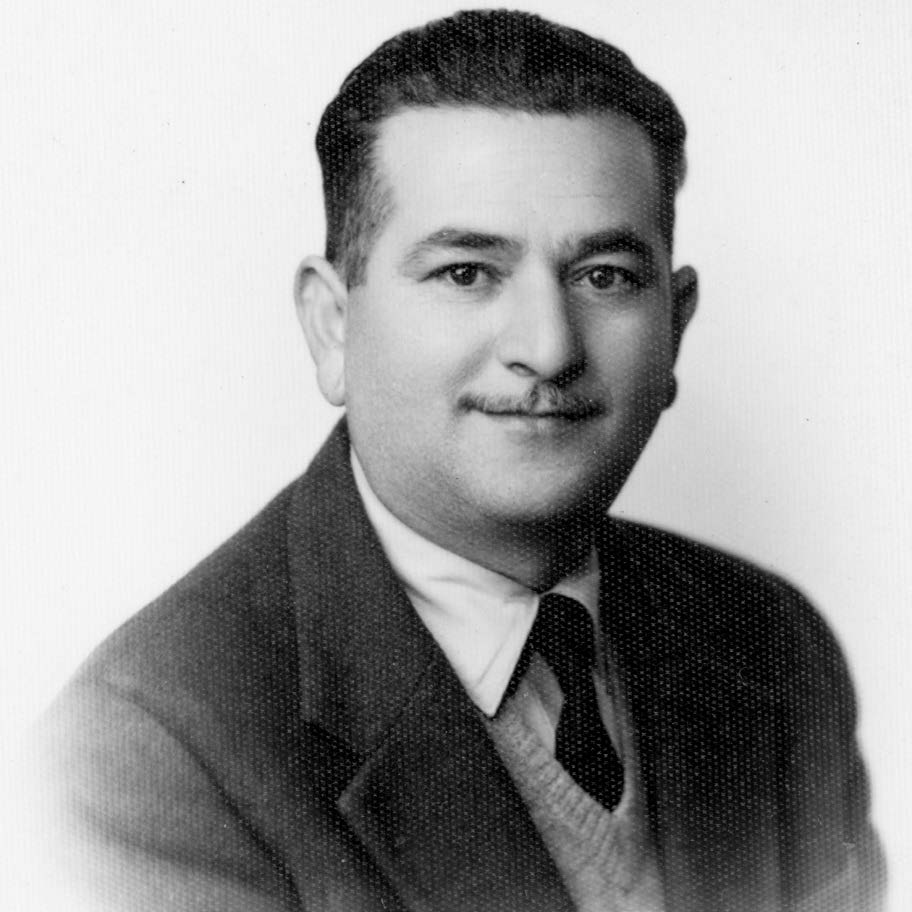
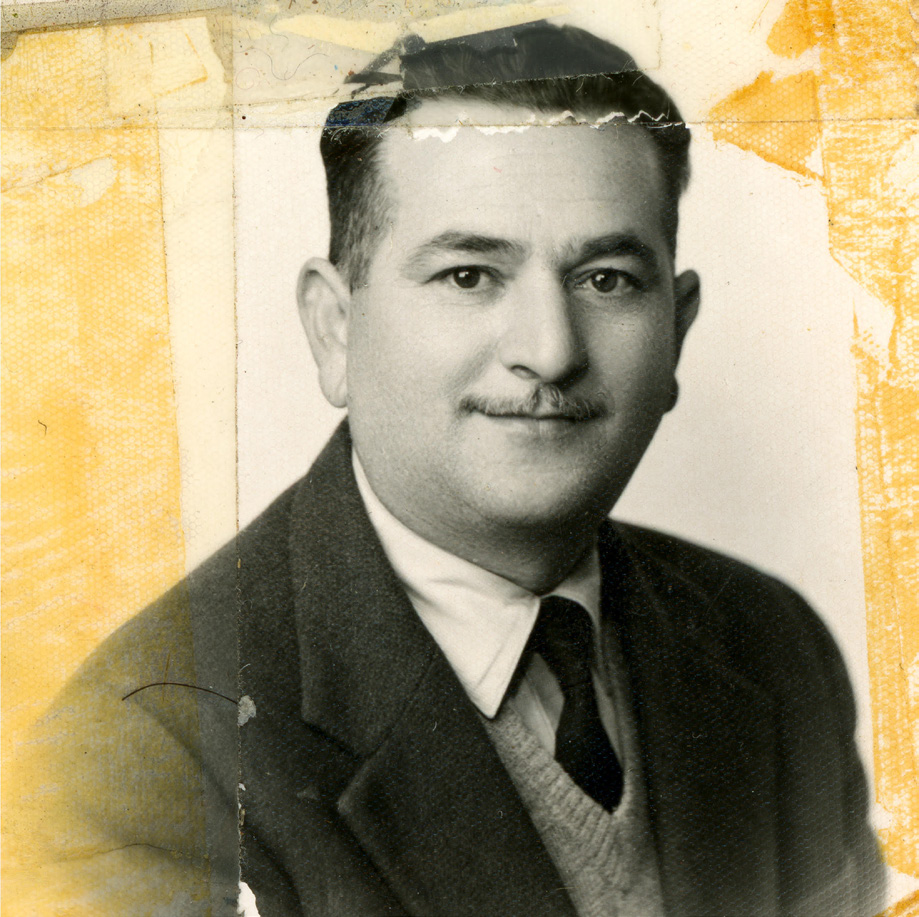
The two photos are of my dad, Giovanni, taken in about 1954 for his passport to allow him to emigrate to the US. The second identical photo is embellished by time and layers of bureaucracy.
–Oscar
G&S



Leave a Comment